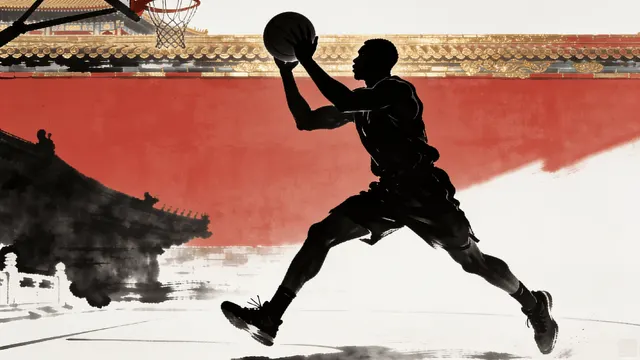
The First: The Basketball Rebel Who Brought Hip-Hop Into the NBA
Before Iverson, NBA stars mostly fit a template: suits, modesty, polish. Iverson changed that. He was the first superstar to bring street hip-hop culture, cornrows, full-sleeve tattoos and baggy fits into the league at scale — and became a cultural icon for a generation.
Entering in 1996, he gave the famous "we’re not just playing, we’re expressing ourselves" press moment; later the "practice" clip was taken out of context into a meme, yet it reflected his friction with the mainstream narrative. He never hid the "rebel" label, laying his real self under the lights: tired, angry, fired up. That candor was rare in an era of polished personas.
His influence reached far beyond the court. Sleeves, arm bands, cornrows spread from Philly to courts and street corners; his crossover became the most imitated move on playgrounds; his No. 3 and 76ers colors were symbols of a sneaker culture (the Answer line). The league later changed its dress code partly because of his cultural shock — proof of his impact.
Calling Iverson "the first" is not about being the first Black player, but the first to perfect "player as pop-culture figure." He showed the NBA: fans love not only wins, but the unmanaged, unbothered truth of stars. That rebellion became the league’s starting point for diversity and individuality.
Related Reading
Related
The 2016 Cleveland Cavaliers: A Miracle After 1-3
Fifty Years Later: A Deep Dive Into the 2021 Championship
We The North: A Deep Dive Into the 2019 Championship