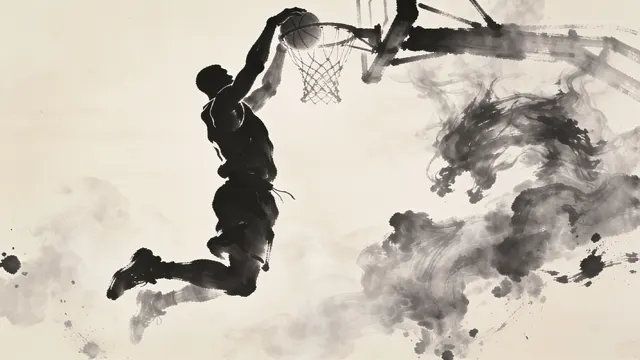
Michael Jordan 1996: Technical Portrait and the Fixation of a Unique Style
In the 1996 Finals, Michael Jordan defined what dominant performance means in his own way; the deep-rooted technical traits and competitive temperament became the most remembered picture of the series. Facing the Seattle SuperSonics' targeted limits, Jordan displayed a nearly uncopyable arsenal, from offensive finishing to defensive containment of key points, showing a top star's composure on the biggest stage. After a record 72-win season he kept his clutch calm, showing a leader's endurance, and that is exactly what sets Jordan apart from other greats, the root reason he kept stable output against differently styled opponents.
Standing six foot six with a guard's quickness and a forward's strength, Jordan could rise over any contest and still step back into space when defenders went under. Seattle tried switching, dropping, trapping, yet none removed the threat because the threat was the man, not the play. He scored through contact, rebounded over guards, and closed games with the kind of poise that only comes from having been there before. The league awarding him the FMVP also affirmed a series where spectacle and decisiveness merged. Voters knew that a player who made the opposing coach sigh there was no answer was the one truly worthy; the FMVP standard has always been brutal and clear, rewarding only the most irreplaceable man on the floor.
That series' technical display remains a frequently cited model in game analysis, studied by wings who dream of playing bigger than their frame. Jordan showed that skill, not just athleticism, is what freezes a defense, and that experience, not just talent, is what wins a Finals. The portrait is fixed now: a unique style, impossible to copy, impossible to forget.
The mechanics behind the 1996 version of that style deserve a closer look. Jordan's release point sat high above the defender's reach, smooth enough that the motion looked identical whether he was stationary or fading away. He paired that shot with a live first step that let him attack a closeout, so defenders were trapped between guarding the drive and the jumper. Seattle tried switching, tried dropping, tried trapping; none removed the threat because the threat was the man, not the play. In the closeout games he answered every Seattle run with a poised basket, the kind of steadiness that only comes from having won it all before.
On defense his hands altered the Sonics' angles, jumping passing lanes and converting steals into the fast-break dunks that became his trademark. The modern Finals rewards two-way wings who can exist at every position, and Jordan embodied that role at its highest level years before the term became common. What looked effortless was in fact the product of years spent refining a frame most players could never bend to his will. The 1996 Finals froze that style in time, a portrait of a player who had become exactly the weapon the moment demanded, and who now owned the title of four-time champion after a retirement that should have ended the story.
Related Reading
Related

1996 NBA Finals MVP: Michael Jordan (Chicago Bulls)

Michael Jordan 1996: Spiritual Role Model and the Relentless Foundation

Michael Jordan 1996: A Career Milestone and the Repositioning of History